
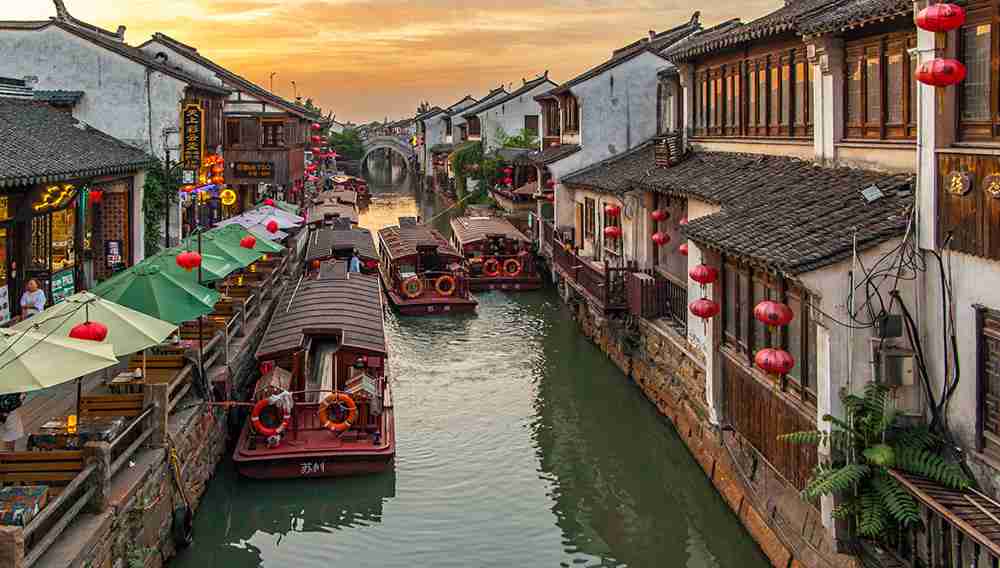
Hire in Suzhou
Suzhou is a strong hiring location for companies connected to foreign-invested manufacturing, advanced equipment, electronic information, biomedicine, nanotechnology, new energy vehicles, and Yangtze River Delta supply chains. It is especially relevant for engineering, production, quality, R&D support, technical sales, supplier management, and industrial operations roles.
Suzhou hiring market snapshot
Suzhou offers overseas employers one of China’s most mature industrial hiring markets, with deep foreign-invested manufacturing experience, strong technical talent, and close access to Shanghai and the broader Yangtze River Delta.

Local industry strengths
- Foreign-invested advanced manufacturing
- Electronic information and high-end equipment
- Biomedicine, nanotechnology, and NEV components

Common Roles
- Quality and process engineers
- R&D support and lab technicians
- Technical sales and supplier managers

Best for
- Foreign manufacturing operations
- Yangtze River Delta supplier coordination
- R&D-to-production industrial teams
Suzhou hiring market overview
Local Hiring Market in Suzhou
Suzhou is one of China’s strongest industrial hiring markets, with a talent base shaped by foreign-invested manufacturing, advanced equipment, electronic information, biomedicine, nanotechnology, and county-level industrial clusters. In 2025, Suzhou’s industrial enterprises above designated size reached 4,896.64 billion yuan in total output value, showing the city’s continued scale in high-value manufacturing.
For overseas employers, Suzhou is useful when roles need both technical discipline and international business process familiarity. Companies often hire here for plant operations, process engineering, supplier quality, R&D support, production planning, technical service, application engineering, and regional operations across the Yangtze River Delta.

Suzhou hiring market overview
Main industries in Suzhou
Suzhou’s strongest hiring demand comes from sectors where foreign-invested manufacturing, engineering capability, regulated production, and technical commercialization overlap.
| Industry Area | Hiring Relevance | Common Roles |
|---|---|---|
| Electronic Information | Suzhou’s electronics base supports hiring for components, systems, testing, production support, and supplier quality roles. | Electronics Engineer Test Engineer Supplier Quality Production Planner |
| High-End Equipment | Equipment manufacturers require technical talent for automation, precision assembly, field service, maintenance, and industrial applications. | Automation Engineer Mechanical Engineer Service Engineer Application Engineer |
| Biomedicine | Suzhou’s biomedicine cluster creates demand for regulated production, laboratory support, clinical coordination, and product commercialization. | Regulatory Assistant Lab Technician Clinical Coordinator Product Specialist |
| Nanotechnology & New Materials | Materials and nano-application companies need talent for R&D support, product testing, application engineering, and industrial customer support. | Materials Engineer R&D Assistant Lab Technician Technical Sales |
| New Energy Vehicles | NEV component and smart mobility projects support hiring in R&D, assembly, testing, supplier management, and project delivery. | Project Engineer Component Buyer Testing Technician Quality Specialist |
| Precision Manufacturing | Precision manufacturers need candidates who can support process improvement, lean production, tooling, inspection, and customer audits. | Process Engineer Lean Specialist Tooling Engineer Quality Inspector |
Suzhou hiring market characteristics
What Makes Hiring in Suzhou Different?
Suzhou is plant, park, supplier, and R&D-to-production driven. It is especially useful when the employee needs to sit close to factories, laboratories, quality systems, equipment teams, or industrial customers while still remaining within easy reach of Shanghai’s commercial and regional management functions.
Suzhou’s hiring market is shaped by foreign-invested advanced manufacturing, regulated production, precision engineering, and industrial park systems. Suzhou Industrial Park’s high-tech industries include next-generation information technology, high-end equipment manufacturing, biomedicine, nanotechnology applications, and AI, making the local hiring logic stronger for technical, compliant, and process-driven roles.

Suzhou hiring market characteristics
Local Hiring Characteristics in Suzhou
Foreign-Invested Standards
Suzhou candidates often understand multinational reporting, quality systems, plant audits, and structured manufacturing processes.
Park-Based Hiring
Recruitment is often more effective when aligned with Suzhou Industrial Park, Suzhou New District, Kunshan, Taicang, or Zhangjiagang.
R&D-to-Production Fit
Many roles require candidates who can connect laboratory work, product testing, process transfer, and factory implementation.
Shanghai-Linked Operations
Suzhou works well for employees who support production or technical delivery while coordinating with Shanghai-based leadership teams.
Precision Process Culture
The city’s manufacturing talent is strong for roles involving SOPs, quality control, lean improvement, tooling, and inspection systems.
County-Level Industry Depth
Kunshan, Taicang, Changshu, and Zhangjiagang add specialized manufacturing and supplier networks beyond central Suzhou.
Social Insurance and Housing Fund Contributions
Suzhou Employer and Employee Contribution Rates
No city ID found for 苏州.
No city ID found for 苏州.
Suzhou Hiring FAQs
Answers to common employer questions about hiring, payroll, statutory contributions, and workforce setup in Suzhou.
Suzhou Industrial Park is often better for higher-tech, international, R&D, biomedicine, and modern service roles, while areas such as Kunshan, Taicang, Changshu, and Zhangjiagang may be better for specific manufacturing or supplier-facing needs. Employers should first define whether the role is park-based, factory-based, customer-facing, or supplier-facing.
Yes. Suzhou has long attracted foreign-invested manufacturers, including many companies that operate with strict quality, reporting, and compliance systems. This makes the city useful when the employee needs to understand structured plant processes, supplier audits, documentation, and cross-border communication expectations.
Employers should define the employee’s primary work location, travel frequency, reporting manager, customer ownership, and expense rules. This is important because many Suzhou roles support factory or technical work locally while also coordinating with Shanghai-based commercial or regional teams.
Yes. Overseas companies can use an Employer of Record model to hire in China before opening a local legal entity. HROne’s China EOR service can support compliant employment contracts, payroll, tax withholding, social insurance, housing fund, and HR administration.
Employers should prepare a clear job scope, worksite arrangement, probation goals, equipment access, confidentiality requirements, and safety or lab access rules where relevant. HROne’s China employee onboarding guide can help structure onboarding for technical and site-based employees.

